All projects

Ecological Restoration of Degraded Wildlife Habitat

In collaboration with Rewilding Earth Foundation, Bandipur Landscape (On Going)

Location
Bandipur Landscape, Karnataka
Status
On-going

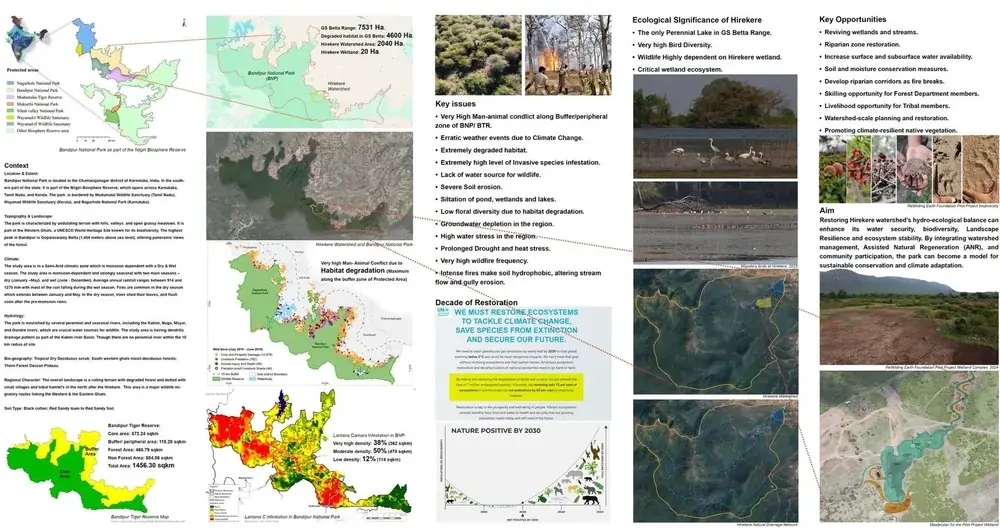
Located within the rain-shadow region of the Bandipur Tiger Reserve, this 60 Acre restoration initiative seeks to heal a degraded stretch of the South Deccan Plateau’s dry deciduous forests and semi-arid savanna grasslands. The site had lost much of its native character due to soil erosion, invasive species and the cumulative impacts of past anthropogenic and geo-climatic factors.

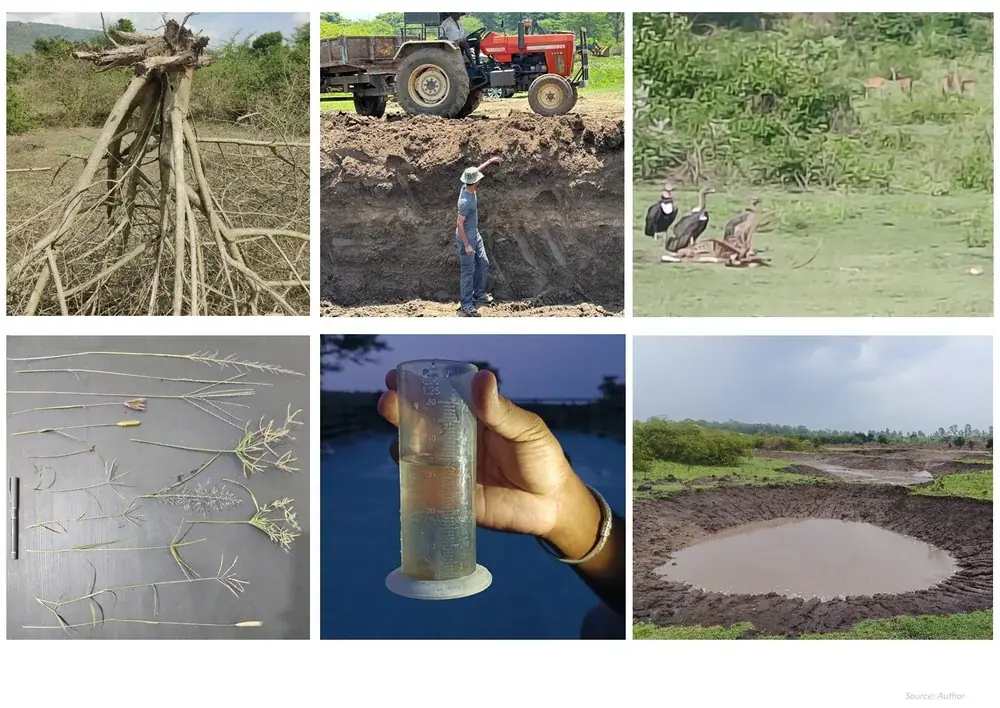
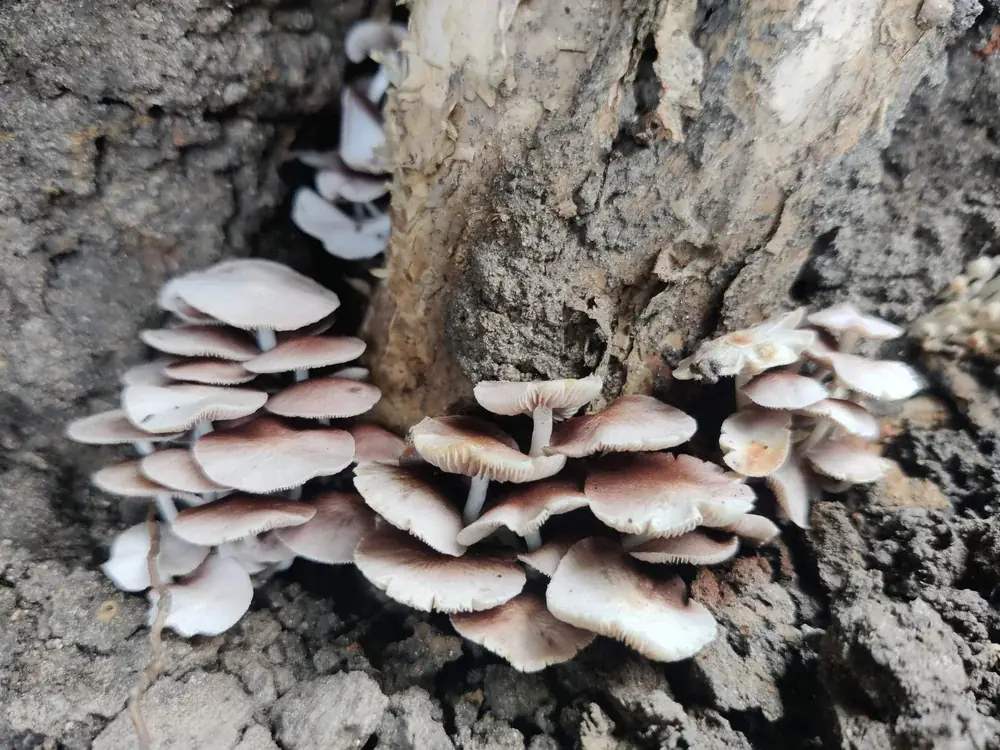
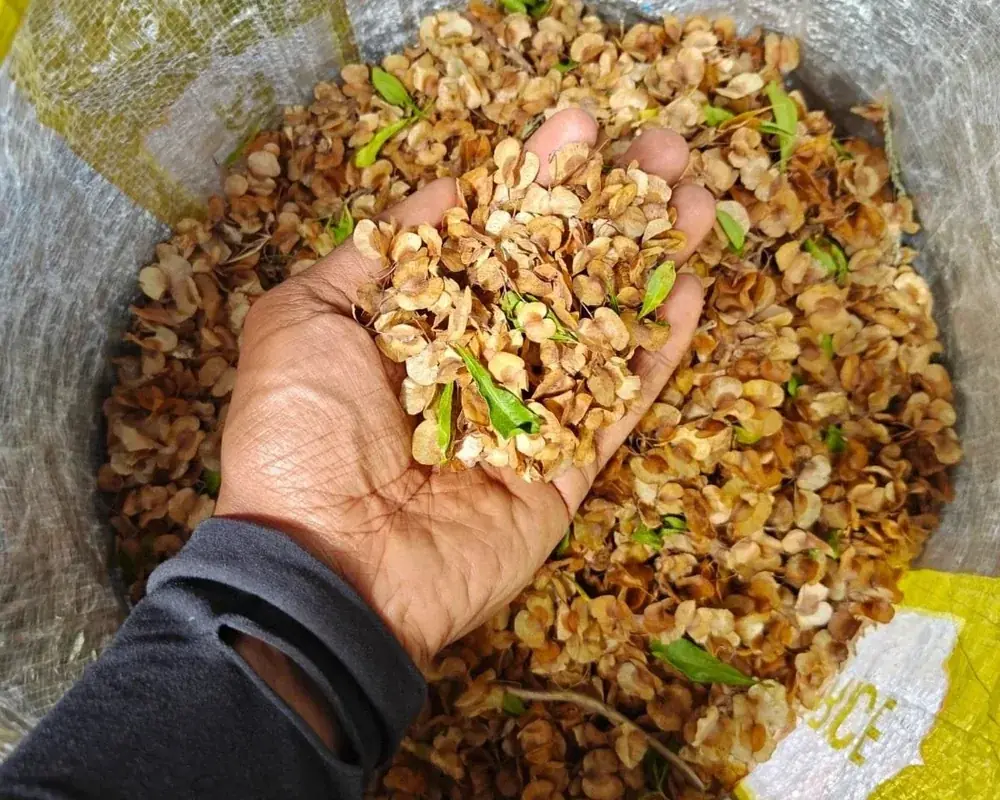
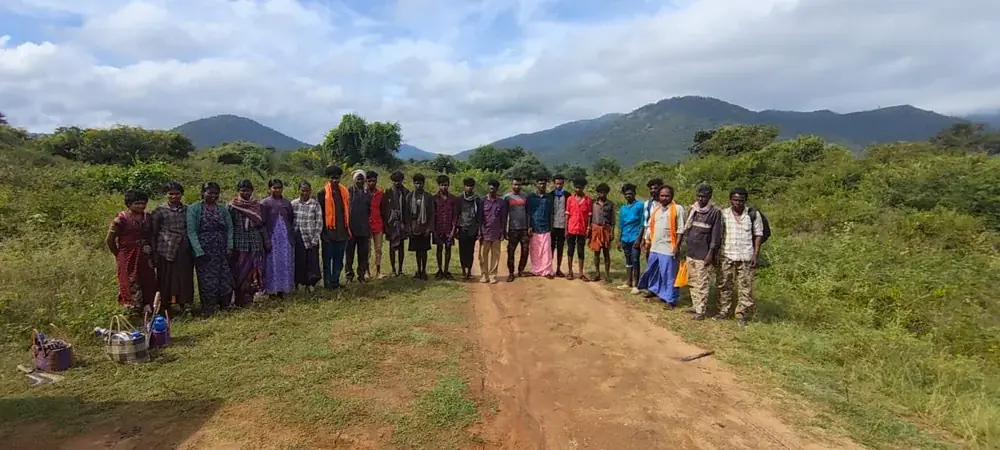
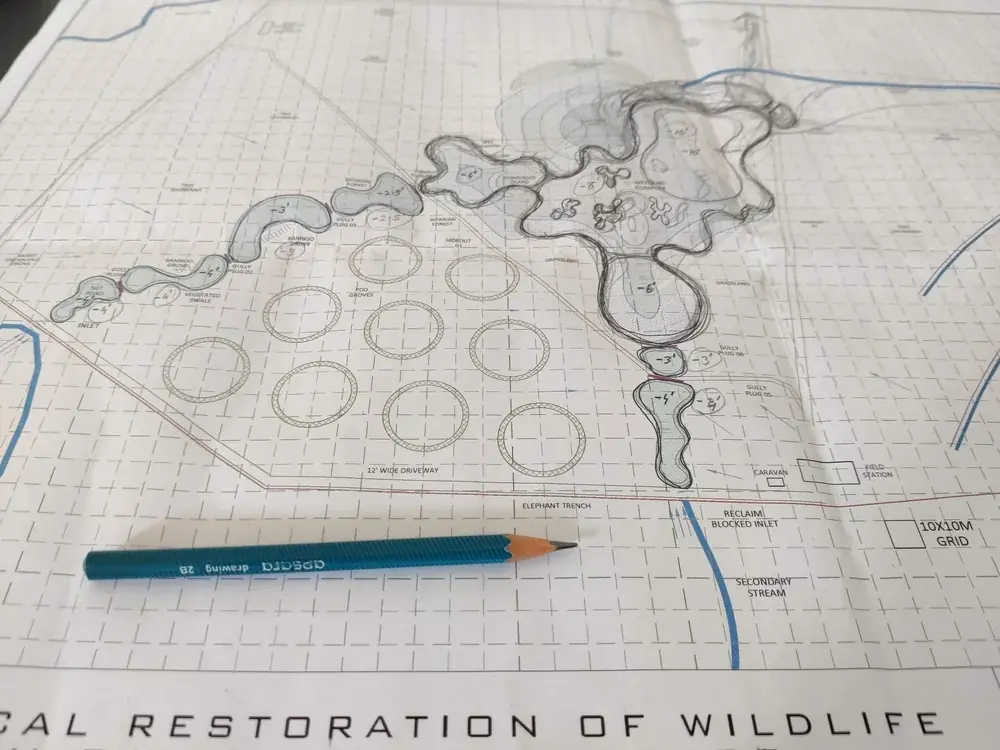
The restoration process focuses on reviving a fragmented secondary stream and developing a downstream wetland complex to enhance the hydrological connectivity of the Hirekere wetland. A mosaic of habitats including semi-arid grasslands, scrublands, tree savannas, and riparian groves is being re-established to support a diverse range of flora and fauna. The project engages 20+ members of local Adivasi communities, including the Soliga and Kaadu Kuruba tribes, who play a central role in Lantana C and Seena S (Invasive Alien Species) and resource stewardship. The deep ecological understanding of the landscape is integrated into the process ensuring a contextually grounded and resilient approach. The site also serves as a living demonstration for climate adaptation in protected areas, IAS management, and future-ready wildlife habitats. Restoration actions include hydrological interventions such as hybrid bunds and wetland complexes, management of Invasive Alien Species (IAS), and Assisted Natural Regeneration (ANR) using locally sourced seeds of native species from reference sites. Early indicators including the regeneration of native grasses, fungi and increased movement of wildlife and birdlife around the wetland complex which reflect the landscape’s gradual ecological recovery.

Rooted in the principles of rewilding and community stewardship, the project integrates nature-based solutions, landscape design and traditional knowledge to restore ecological balance within one of India’s most biodiverse regions, the Nilgiri Biosphere Reserve, the country’s first UNESCO-designated Man and the Biosphere site.
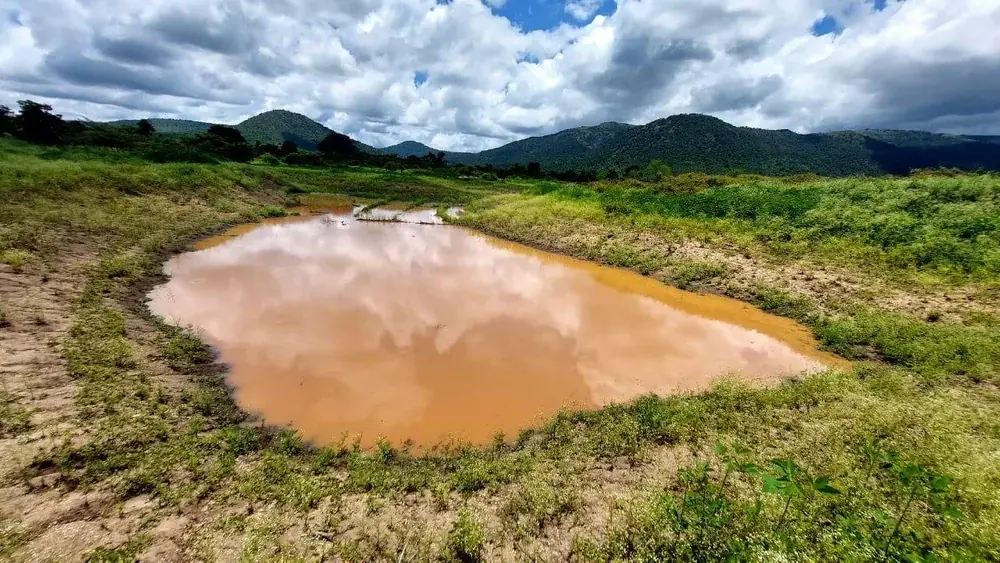
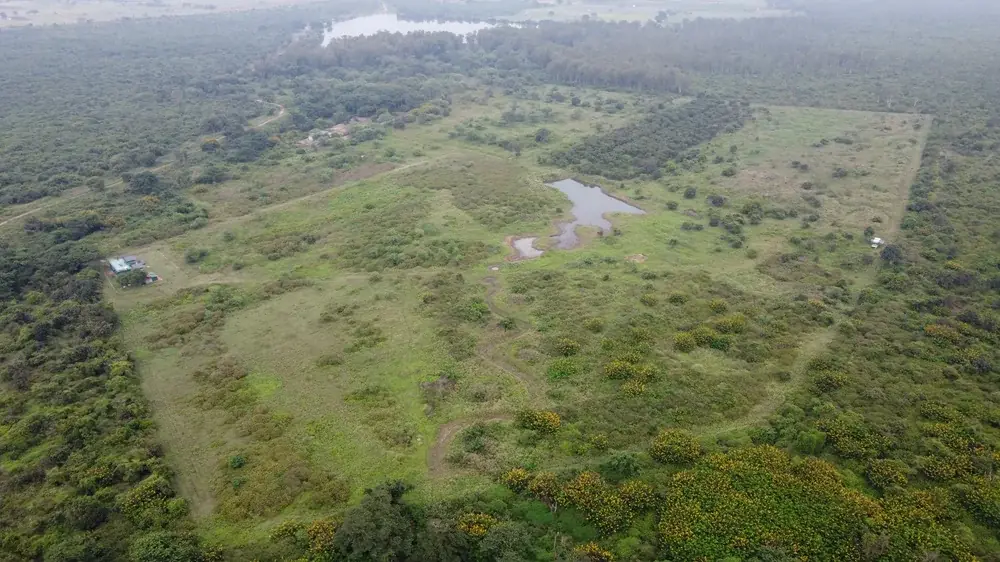
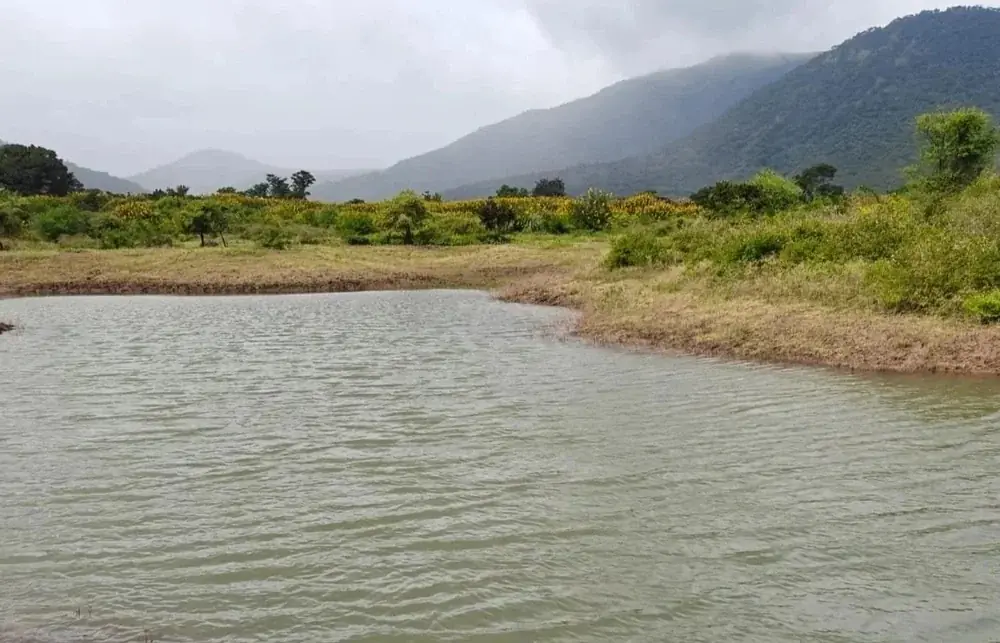
Wetland complex with the catchment area in the background
Formulating the site-specific restoration plan
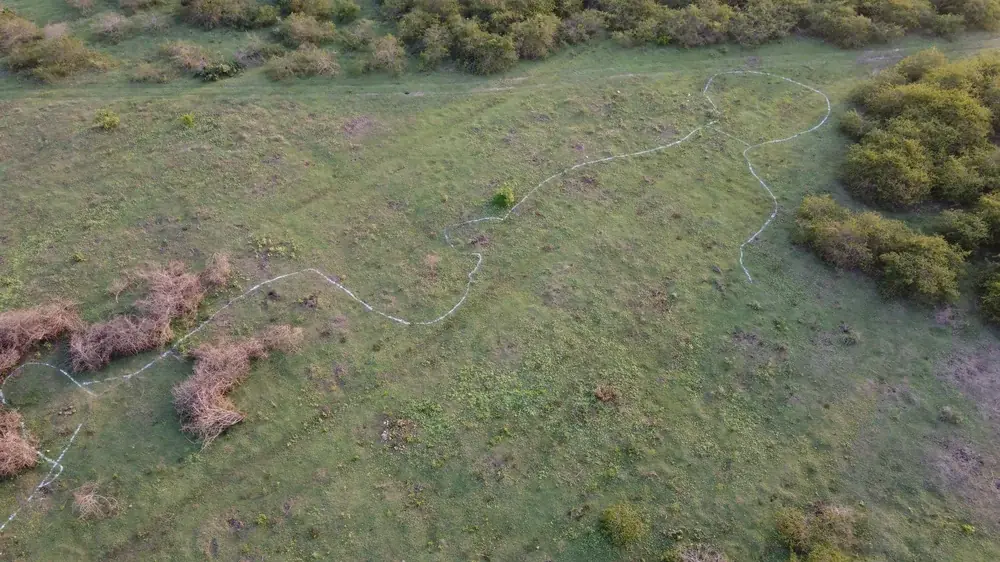
On Site Marking the proposed wetland complex
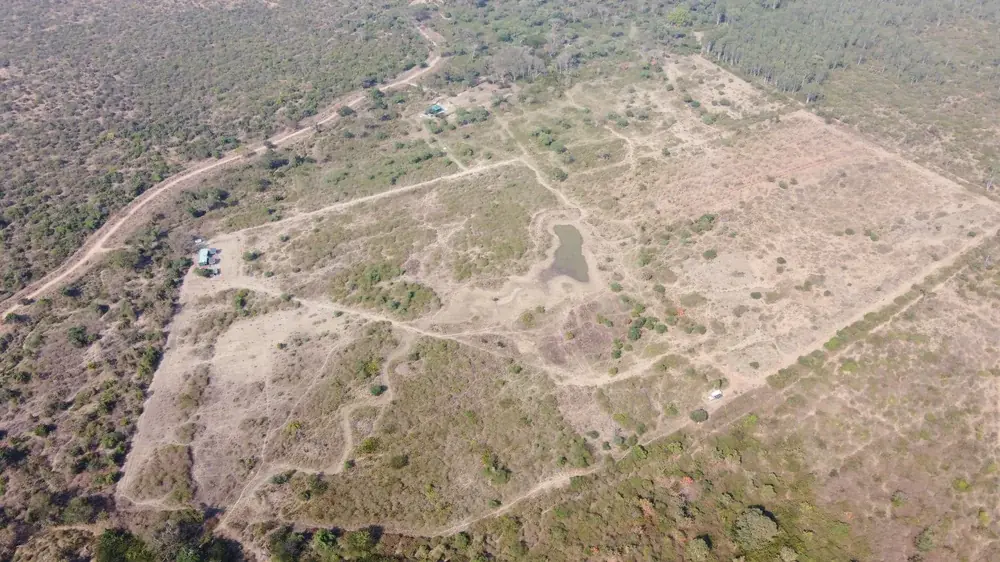
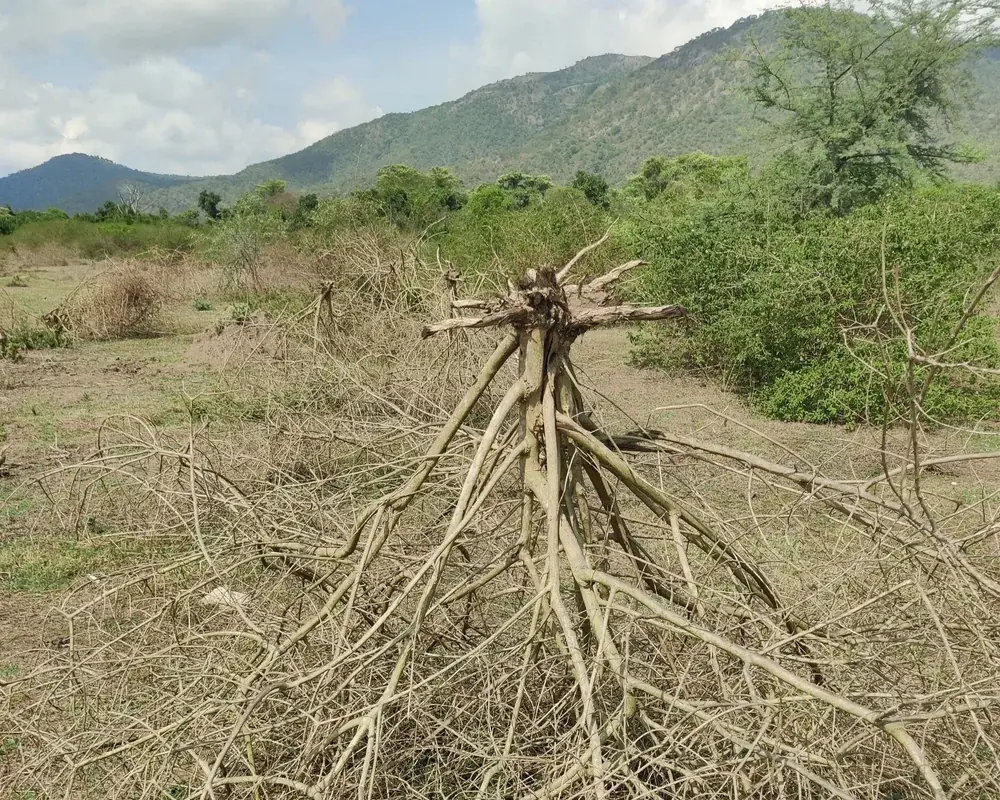
Site during dry season
Site under restoration activities following the monsoon
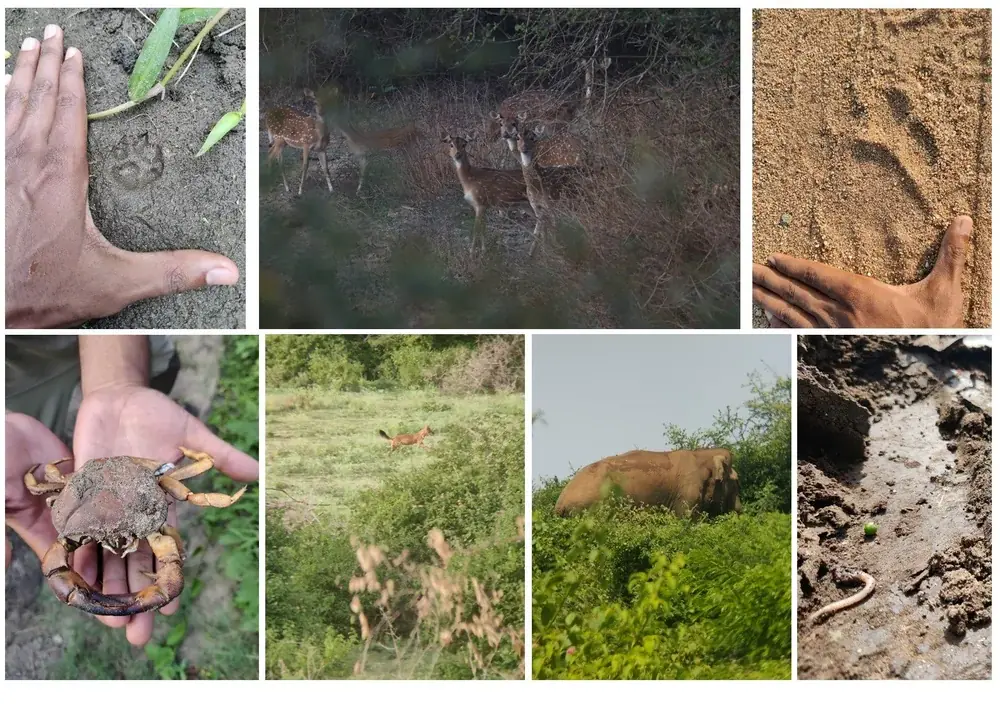
Documenting biodiversity within the restoration site
Documenting and monitoring the Restoration process
Ecological Restoration of Degraded Wildlife Habitat, photograph 8
Implementation of soil and water conservation measures
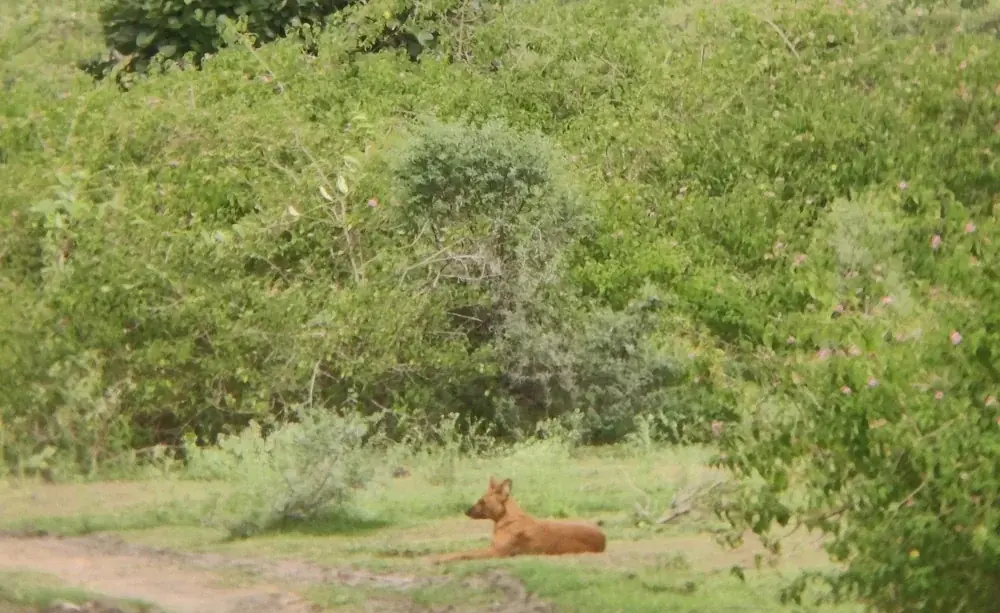
Wild dogs (dholes, Cuon alpinus) traversing through the restoration site
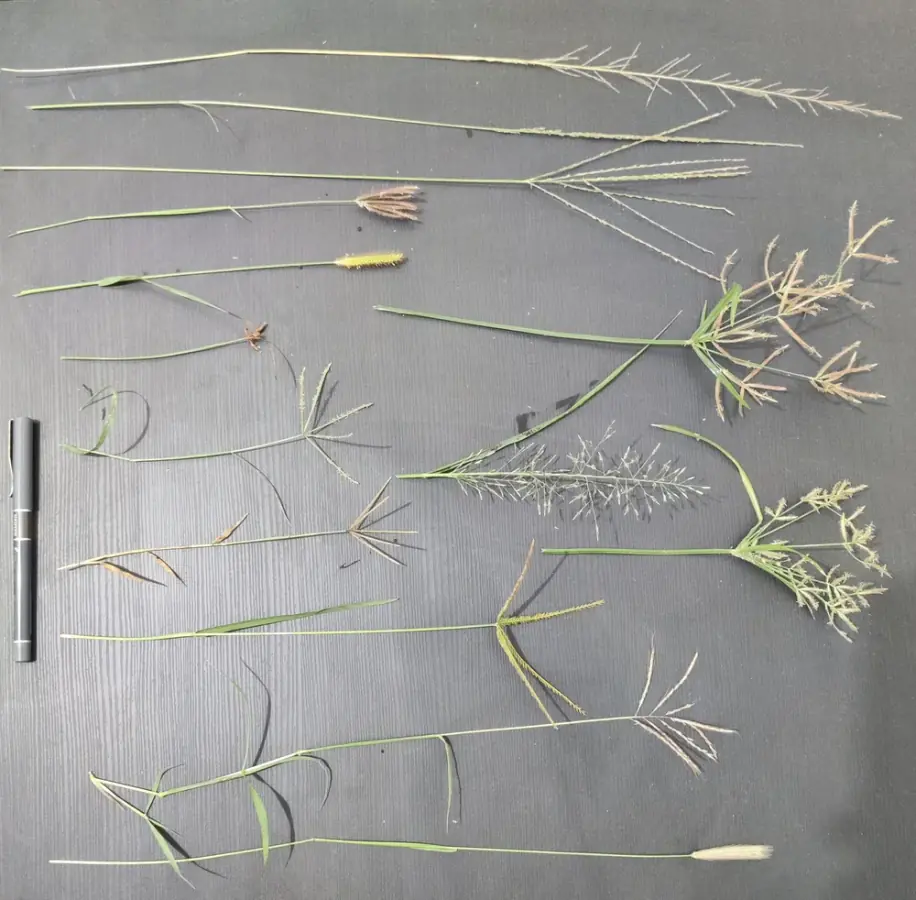
Documenting Grasses
Documenting Grasses
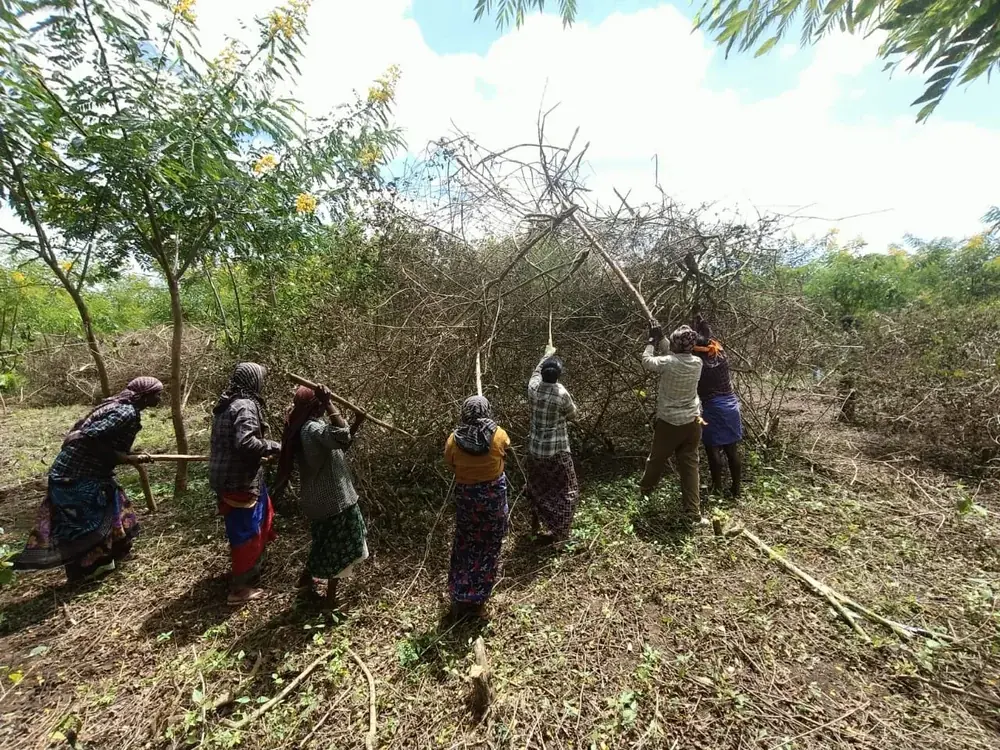
Invasive Alien Species Managment
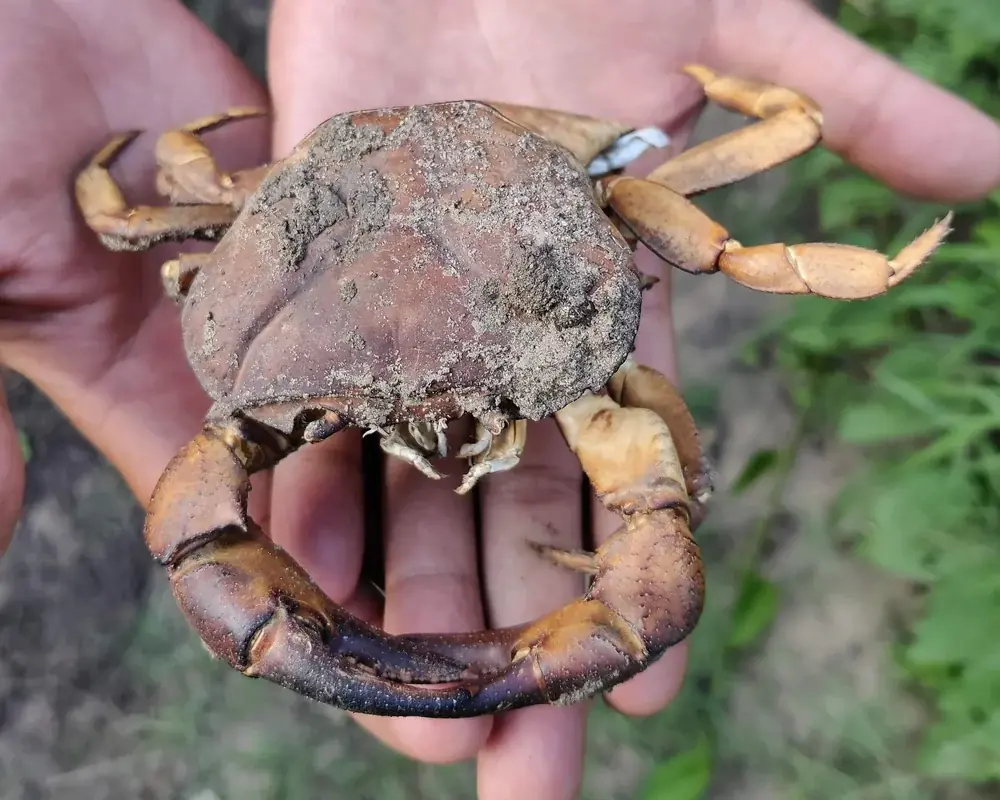
Freshwater crabs observed within the restoration site
Manual removal of Lantana C
Documenting the mycelial network across the restoration area
Seed collection of Dodonaea viscosa
Newly developed wildlife wetland complex
Tribal community empowerment
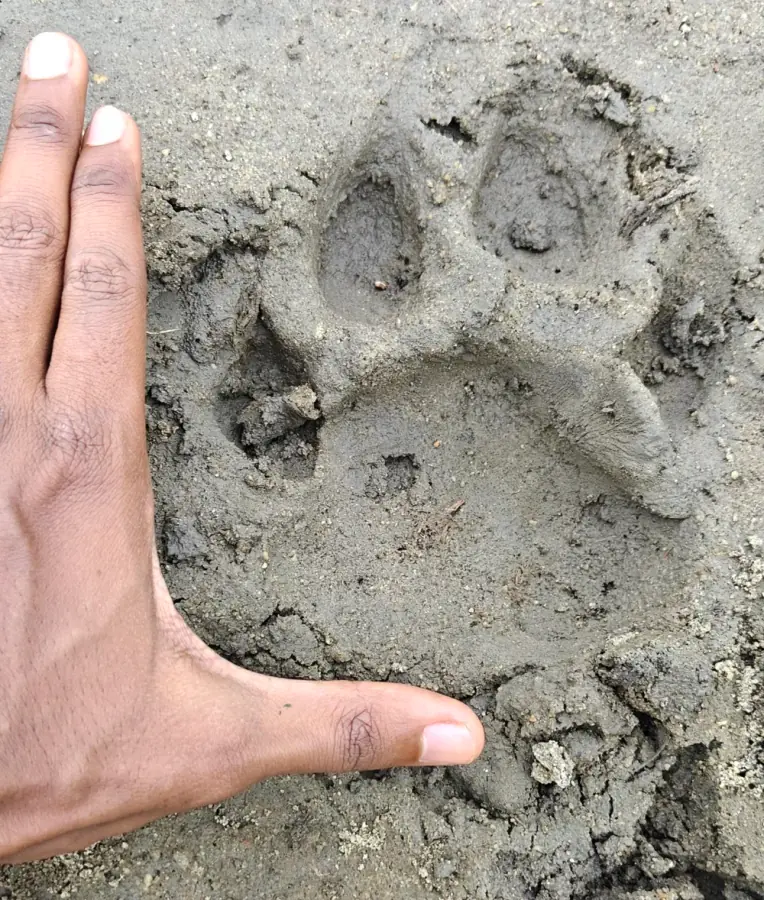
Wildlife movement showing positive signs of Restoration
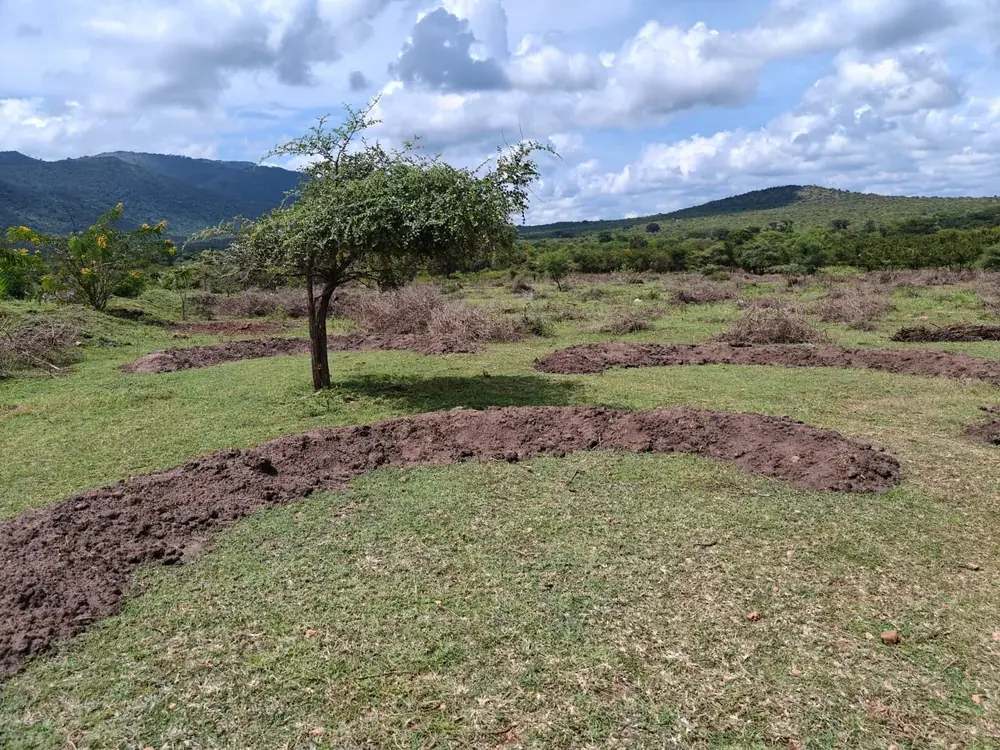
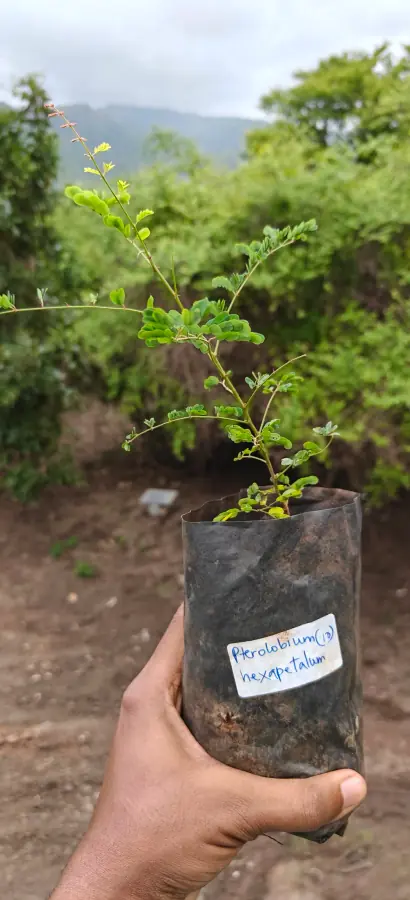
Preparation for ANR
Preparation for ANR
Ecological Restoration of Degraded Wildlife Habitat, photograph 21
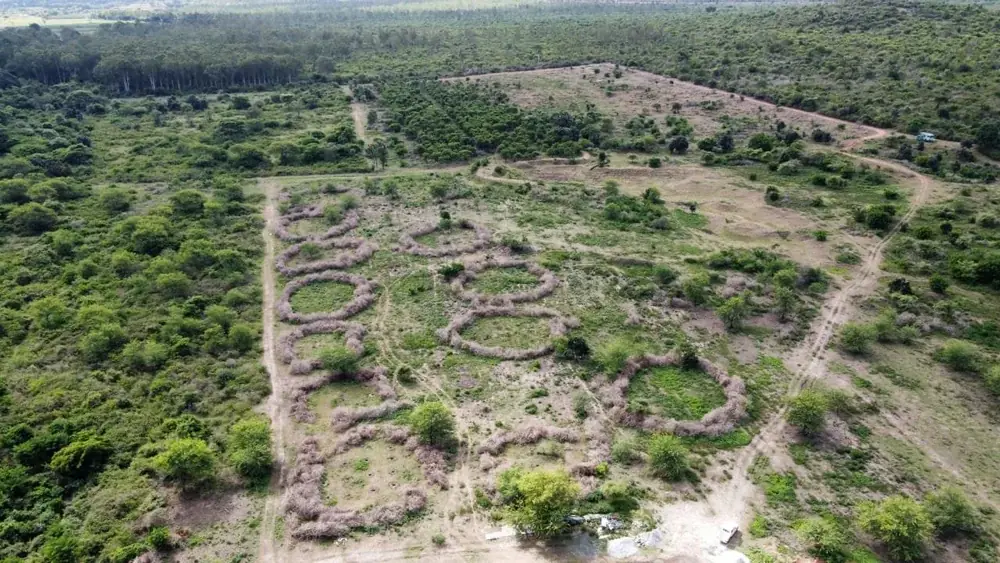
Lantana biomass rings used to protect planted areas
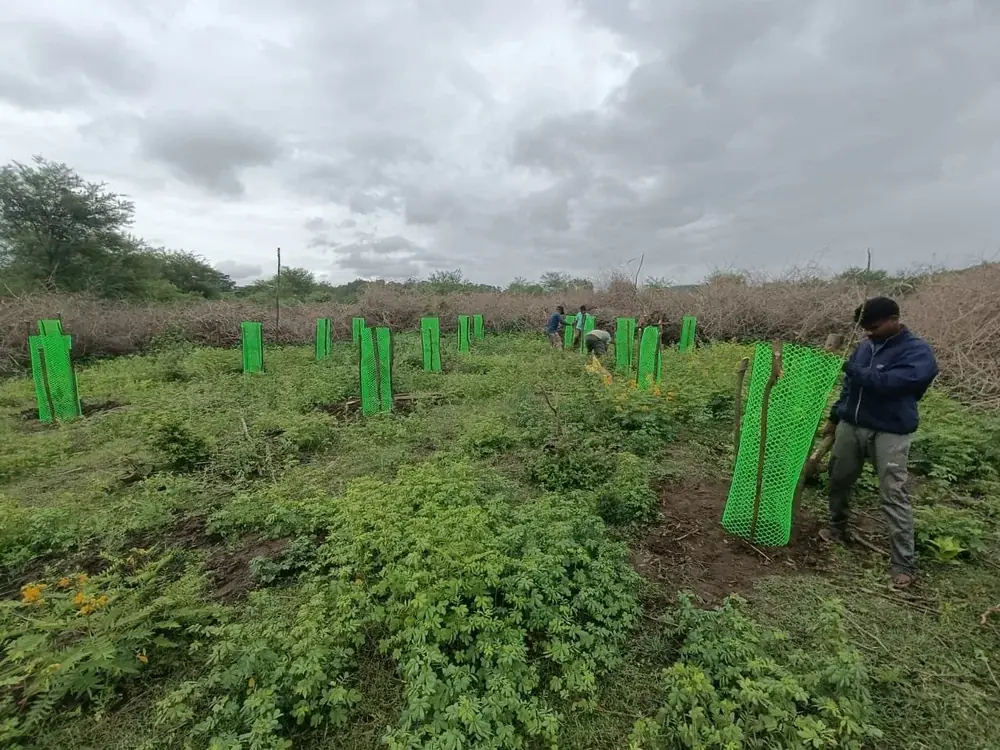
Native species planted with protection from wild harbivores